
April 27, 2021 Meeting By James Rayner
Moira Welsh – Happily Ever Older
I imagine that by this stage in our lives, most of us have had first-hand experience with so-called Long-Term Care (LTC) homes and the experience has not been positive. Any of the homes I have visited have been dreary places where the basics of life are supplied but not much else. Do you know anyone who is looking forward to spending their last days of life in such a setting?
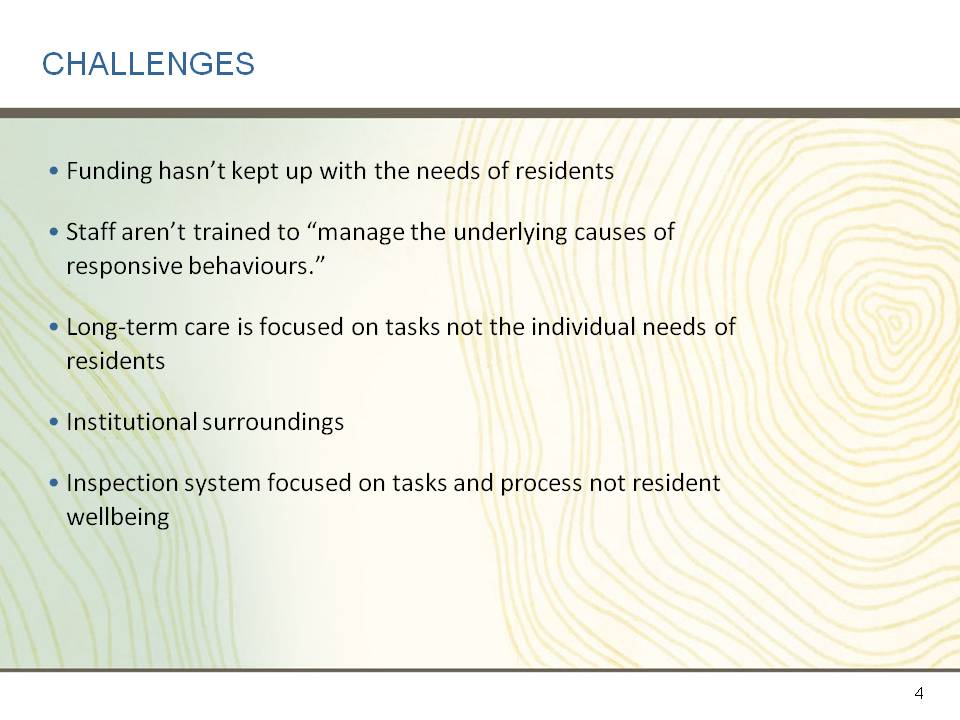
Moira Welsh, our guest speaker at the April 27 meeting of the Probus Club, is a reporter for the Toronto Star and has been investigating LTC for several years. In that time, she has chronicled the shortcomings of these institutions and discovered new ways of accommodating people in the twilight of their life. Part of the problem is that government regulations are concerned with the survival of the resident—things like beds, food, water, and cleaning–but not much is required concerning the mental and social welfare of the individual. A certain amount of time for “recreation” might be mandated but that could consist of sitting in front of a television set while staring at the floor or a game of balloon toss. Who would be happy with that?
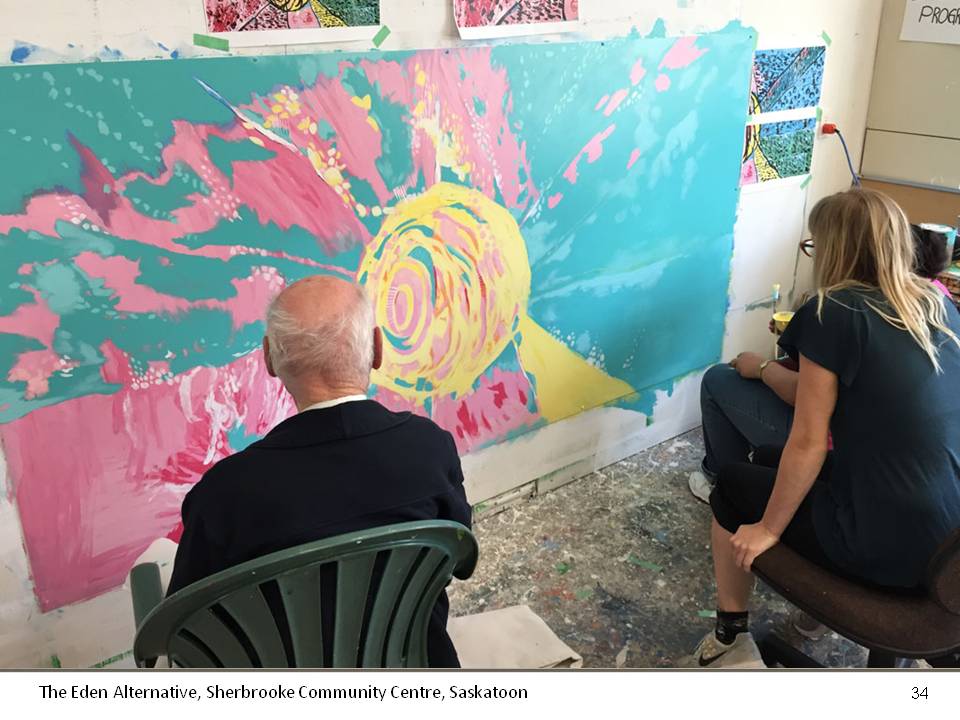
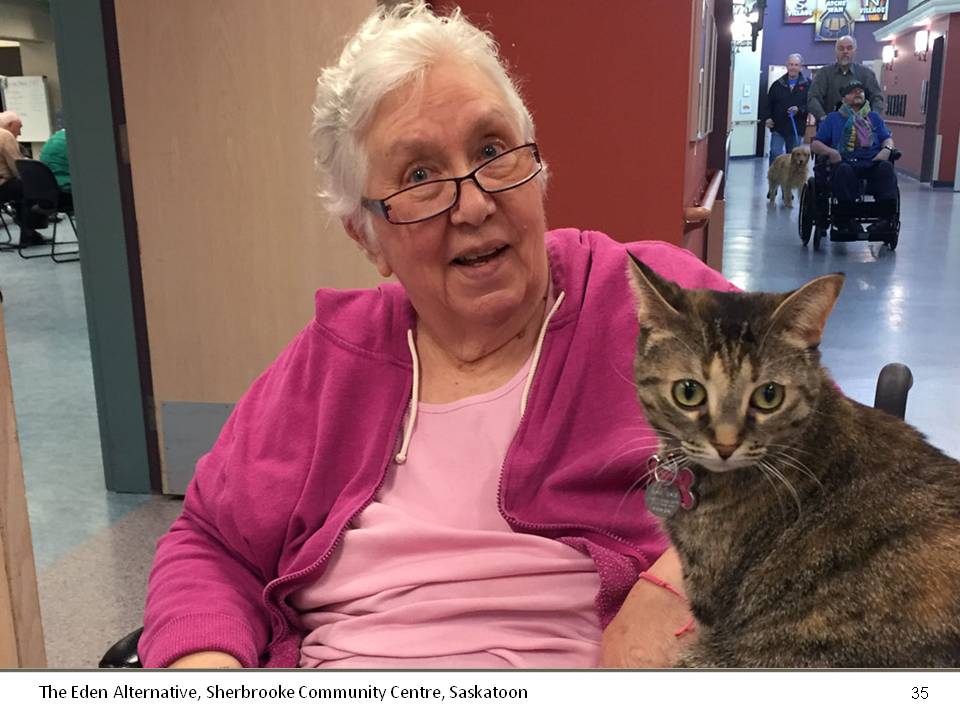
Another challenge to overcome is society’s attitude to older citizens: ageism that puts less value on seniors’ lives as evidenced by the COVID outbreaks in LTC facilities where many residents died and some were even illegally locked in their rooms. This is shameful, as seniors in LTC have worked all their lives and contributed to building the society we now enjoy. They still have feelings and needs that should be fulfilled, such as friendship, connections, hobbies, communing with nature, and even cooking. LTC homes that include these aspects find that their residents are happier, less violent and less befuddled, require fewer catheters, and even have fewer bedsores!
In her research, Moira Welsh has visited several facilities that are trying new approaches to accommodating seniors in an LTC setting. Although each “home” is different, here are some ideas that have worked at various locations:
- Home sharing as the Golden Girls of T.V. fame did;
- Friends buy condos on the same floor and hire a PSW for the group;
- Having a non-demented spouse share LTC living quarters with the demented spouse;
- Use a day program to care for the person while the home caregivers have a break;
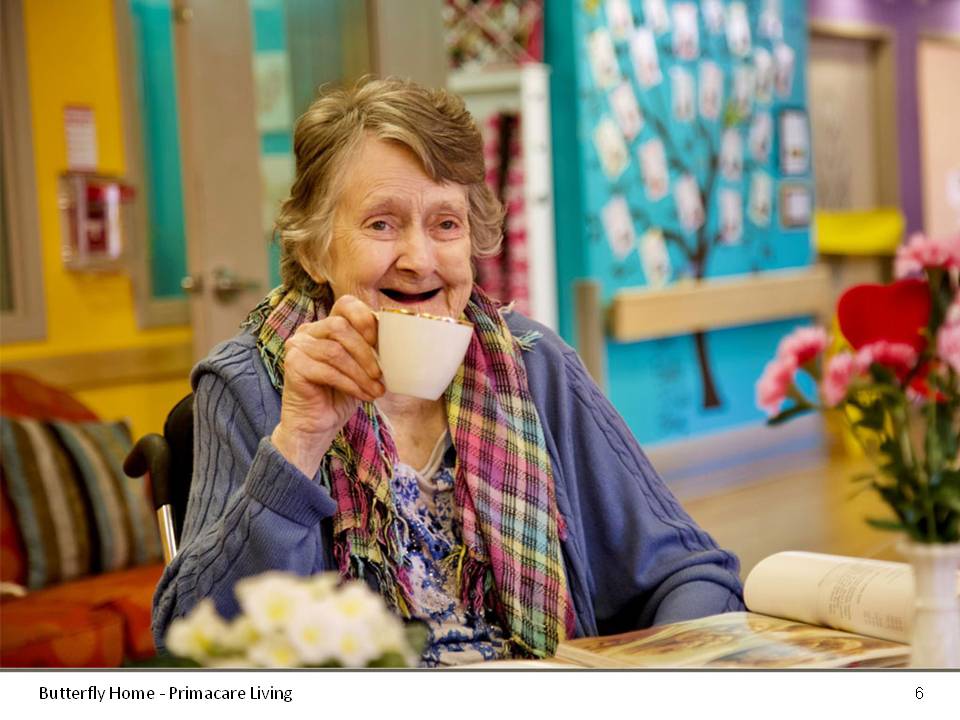
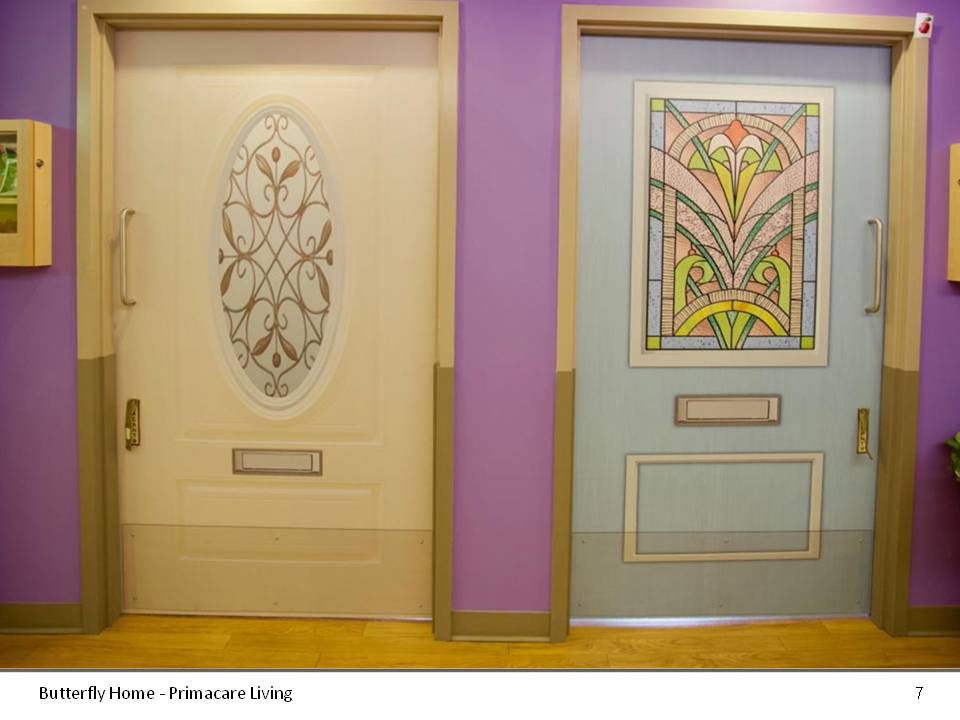
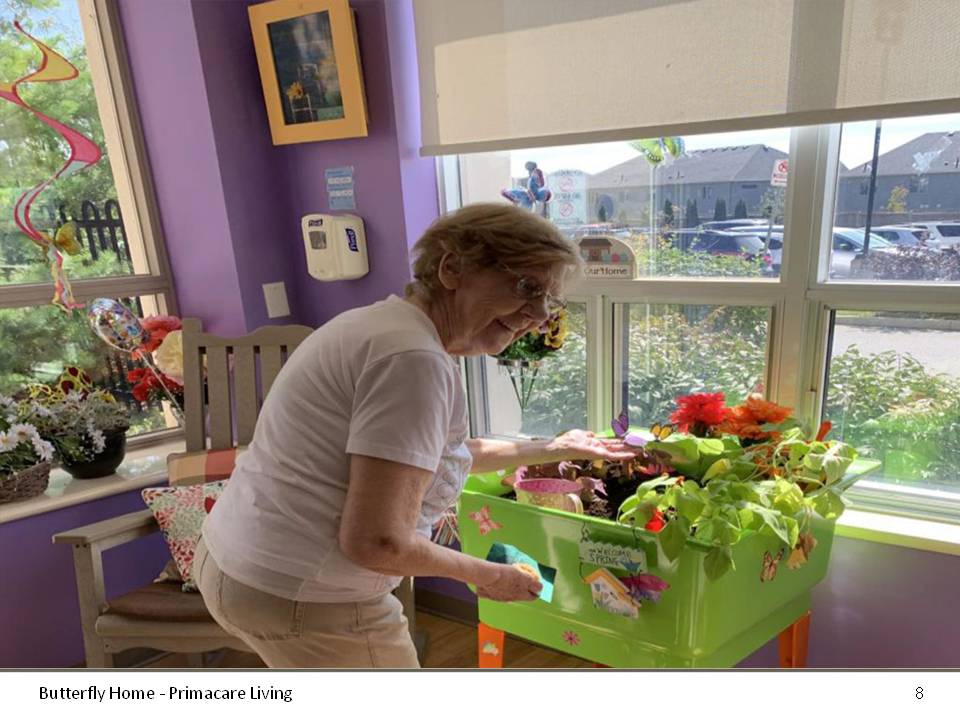
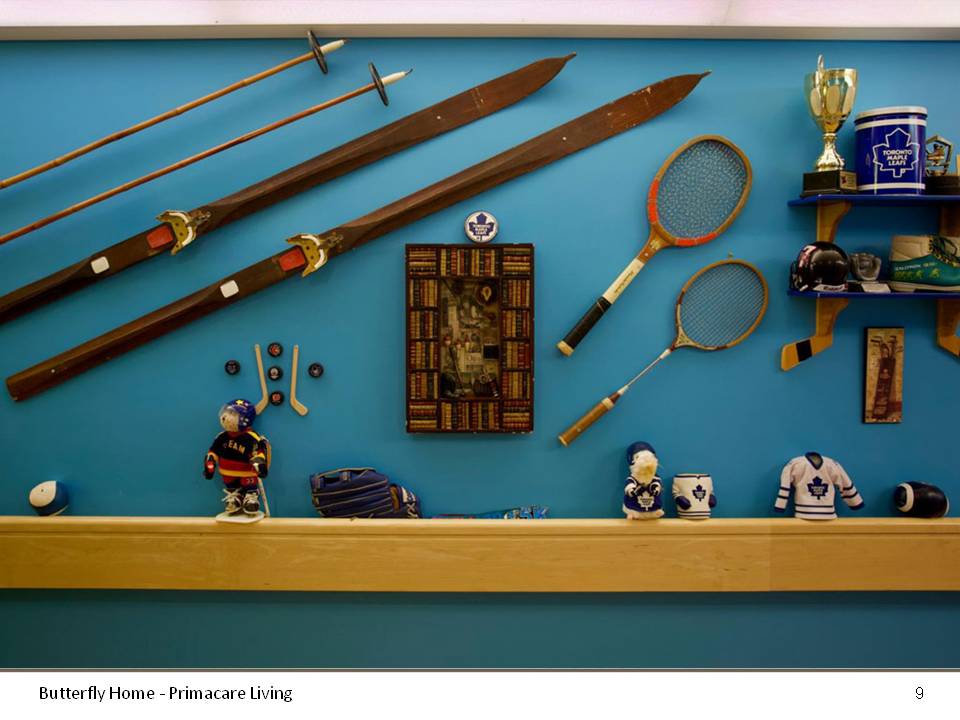
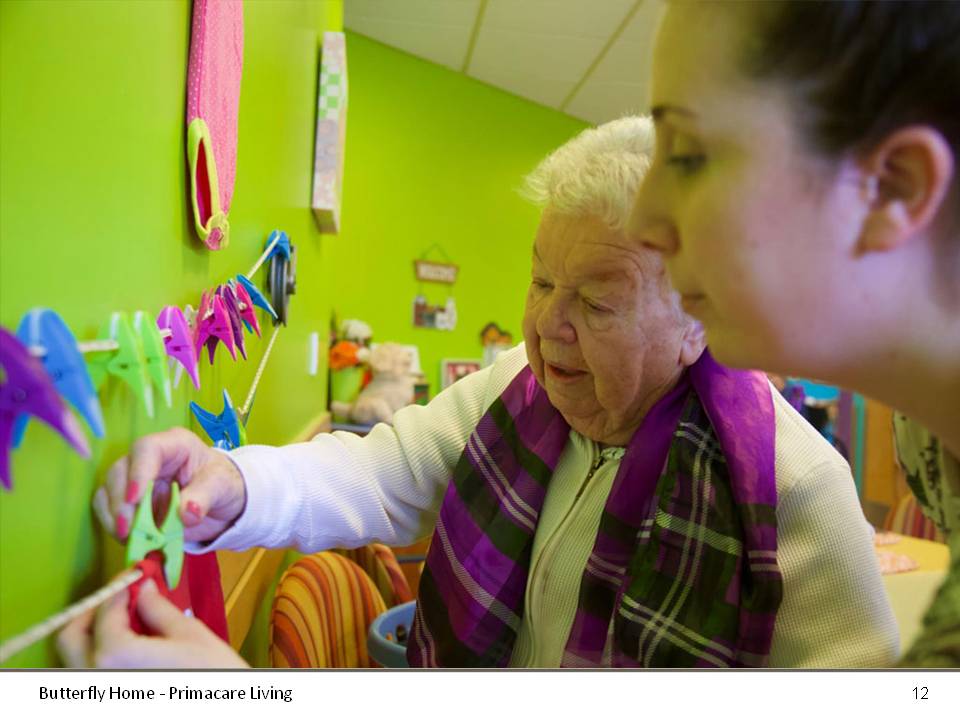
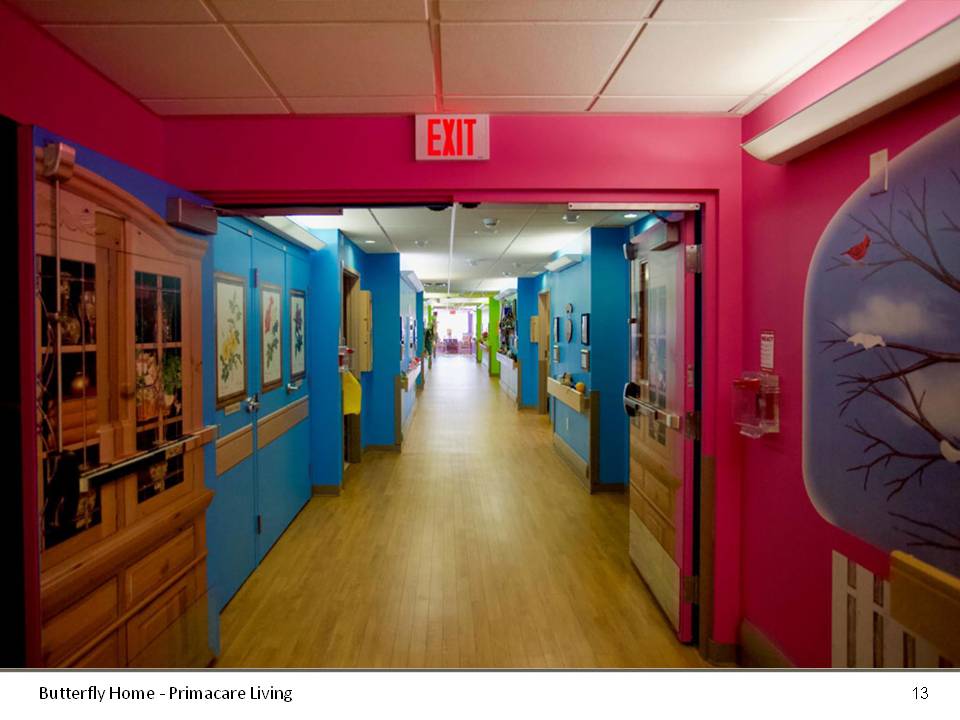
- Adopt the Butterfly program where all employees from director to cleaners get training;
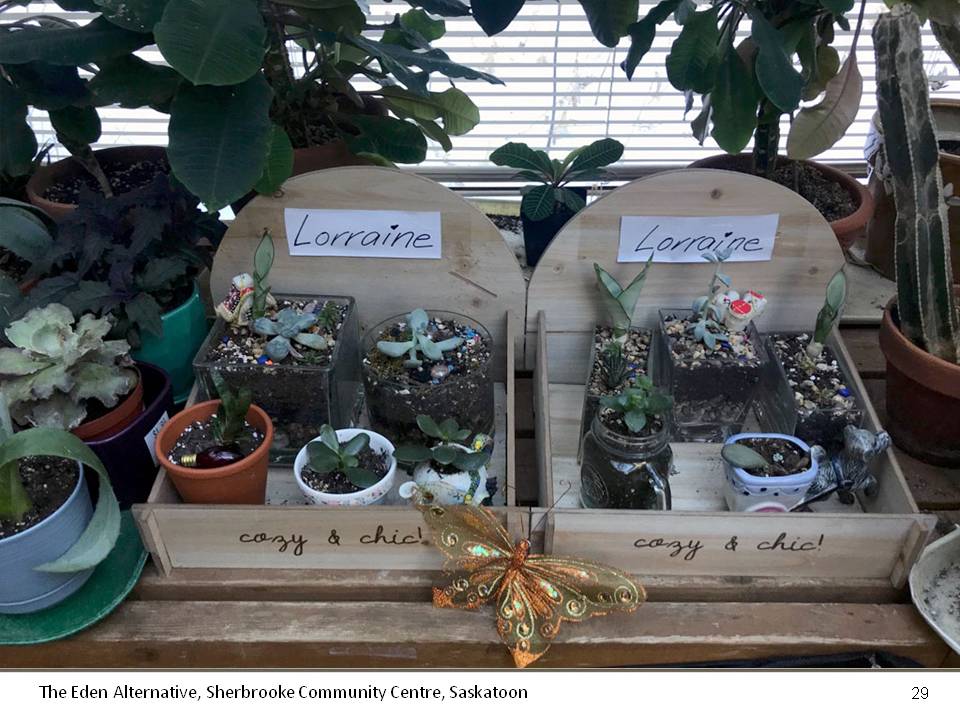
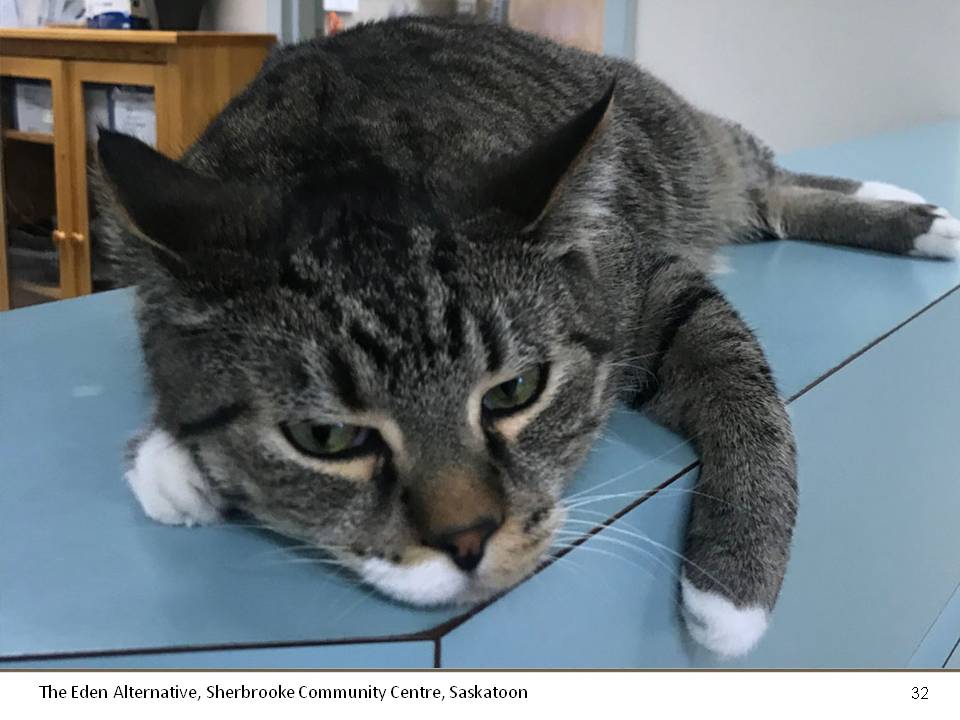
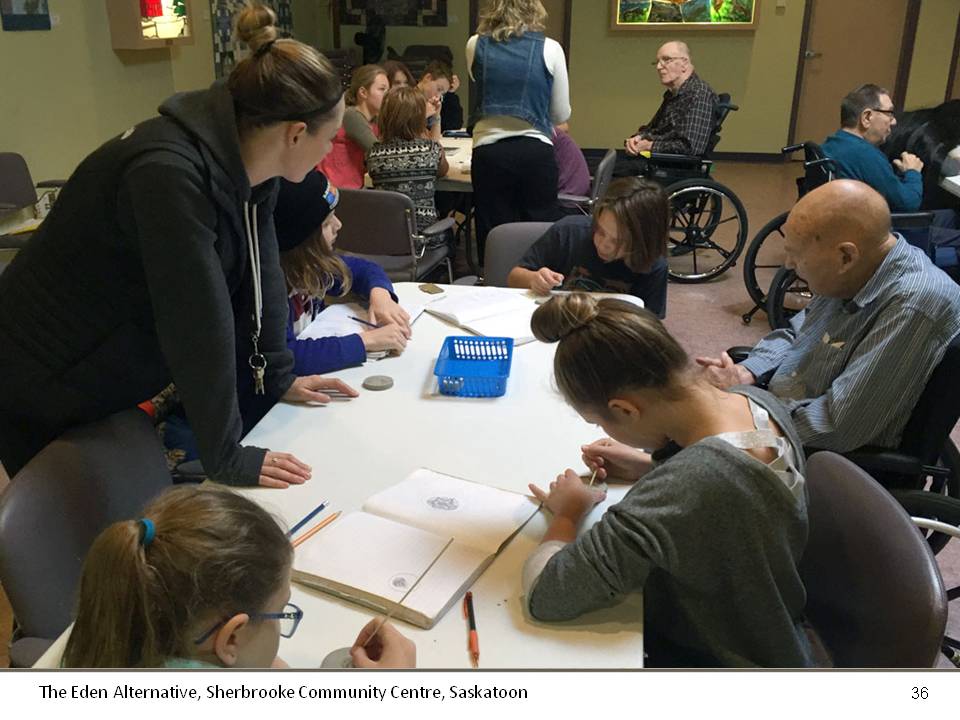
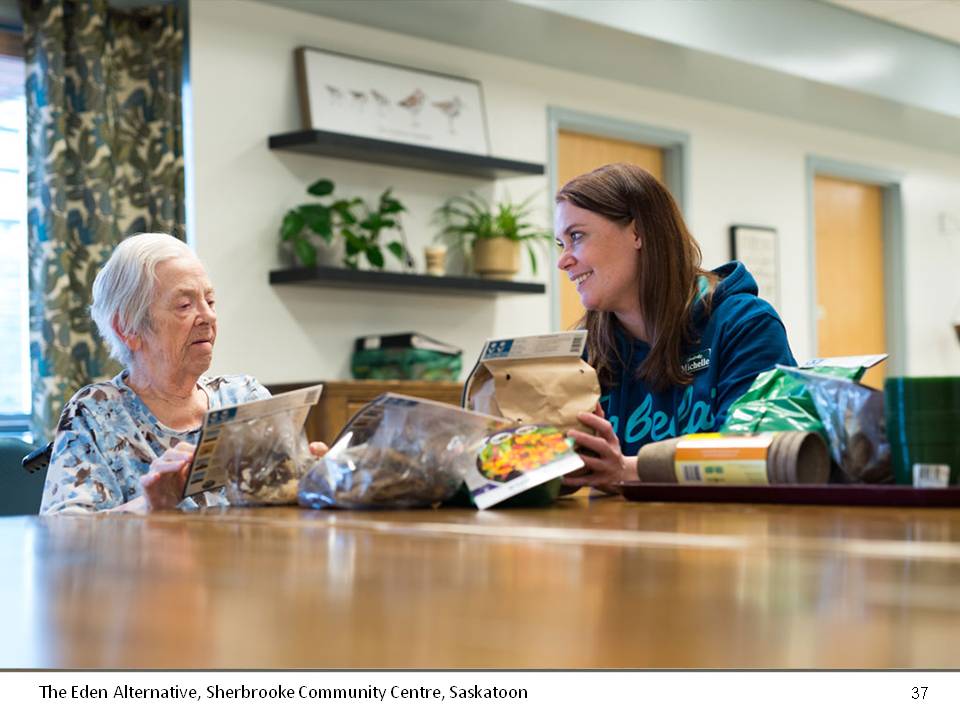
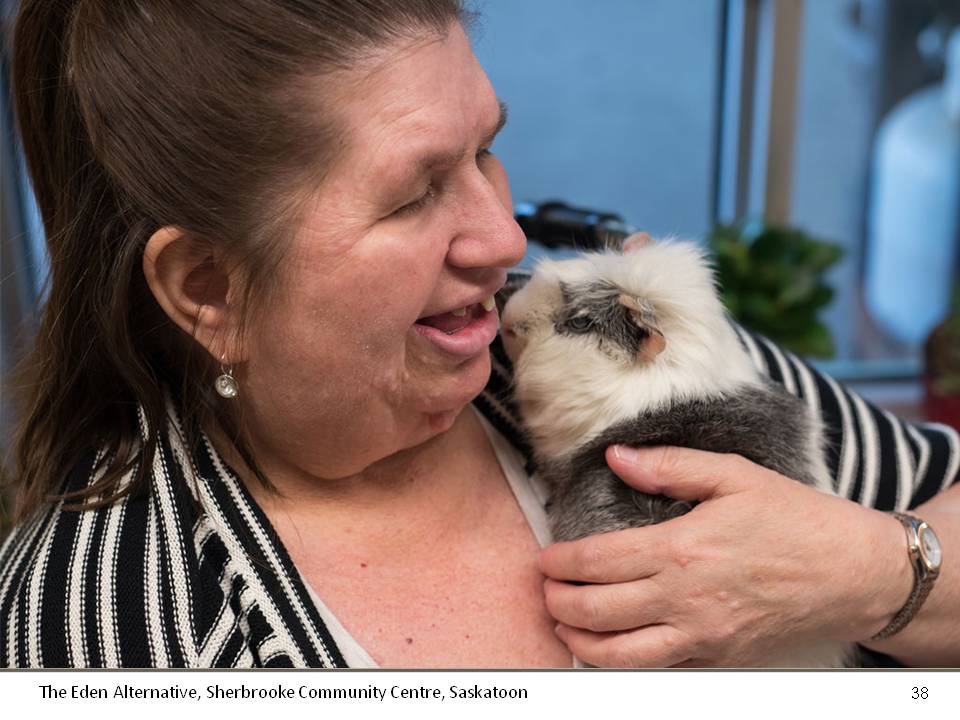
- Use the value of nature and of music to make life more enjoyable for patients;
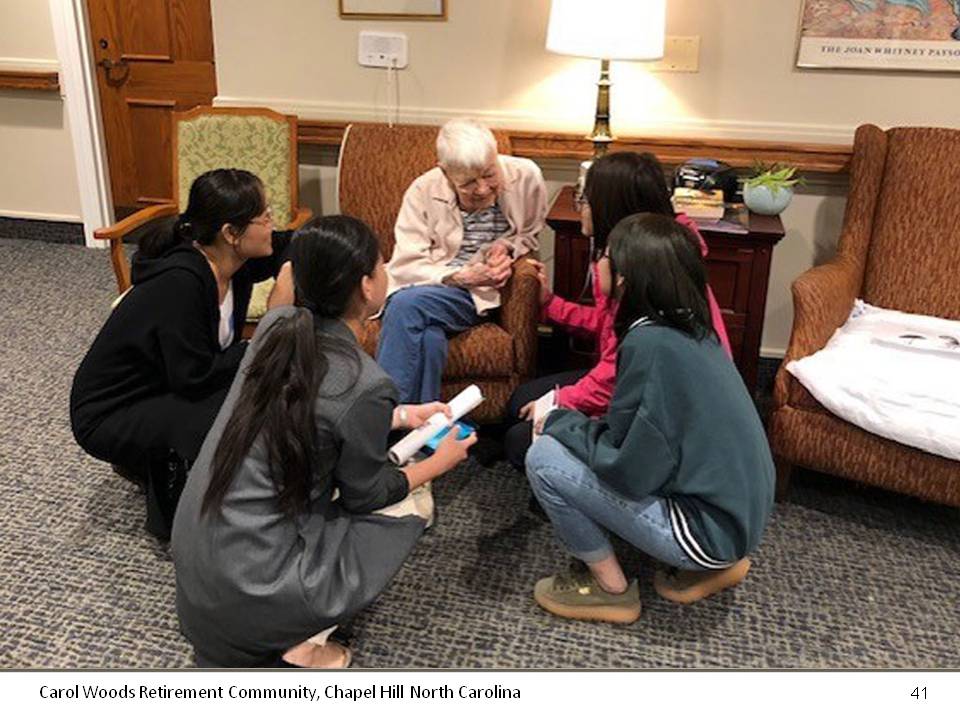
- Integrate dementia patients with other residents;
- Change from the standard 32 units to smaller groups with the same workers all the time;
- In these smaller groupings, provide individual units each with its own bathroom
Basically, we need to provide opportunities for self-fulfillment and social connections in a less institutional setting in order to make LTC a positive experience. But, as of now, regulations do not require this. Moira Welsh’s book is an excellent reference for ideas. If we are serious about changing the model, it is up to us to write to governments as individuals and demand changes. (If you add “CC All members of Parliament”, by law your message will go to all MPs.) After all, any one of us might end up in LTC someday and it would be to our personal benefit to have brought about change for the better.
More About Happily Ever Older
Moira talks about her book Happily Ever Older (Revolutionary Approaches to Long-Term Care) in this brief 1 minute video from YouTube:
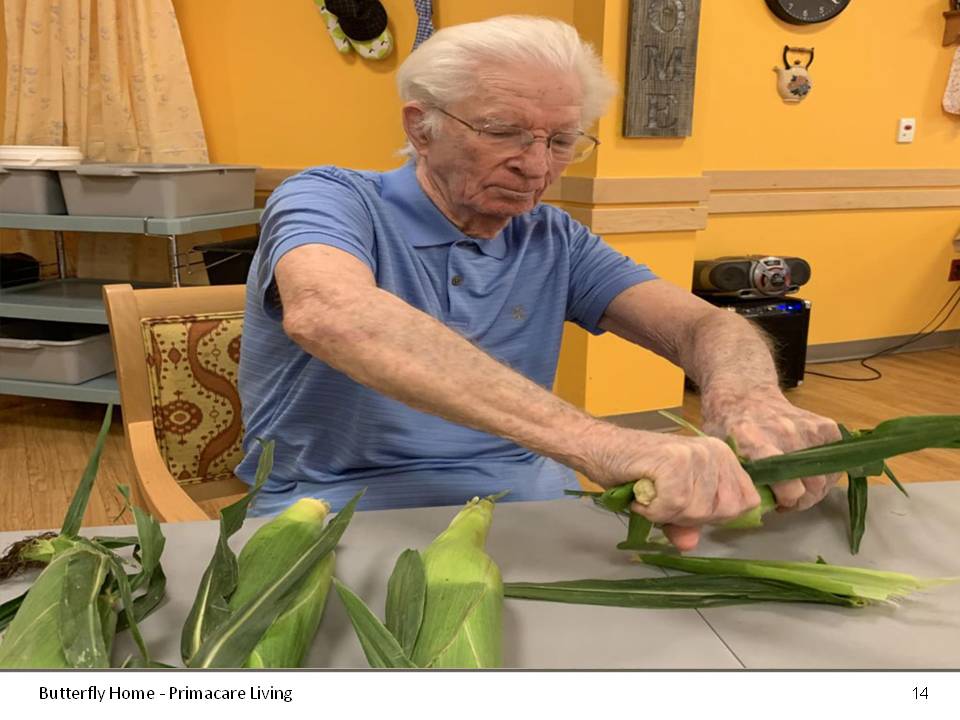
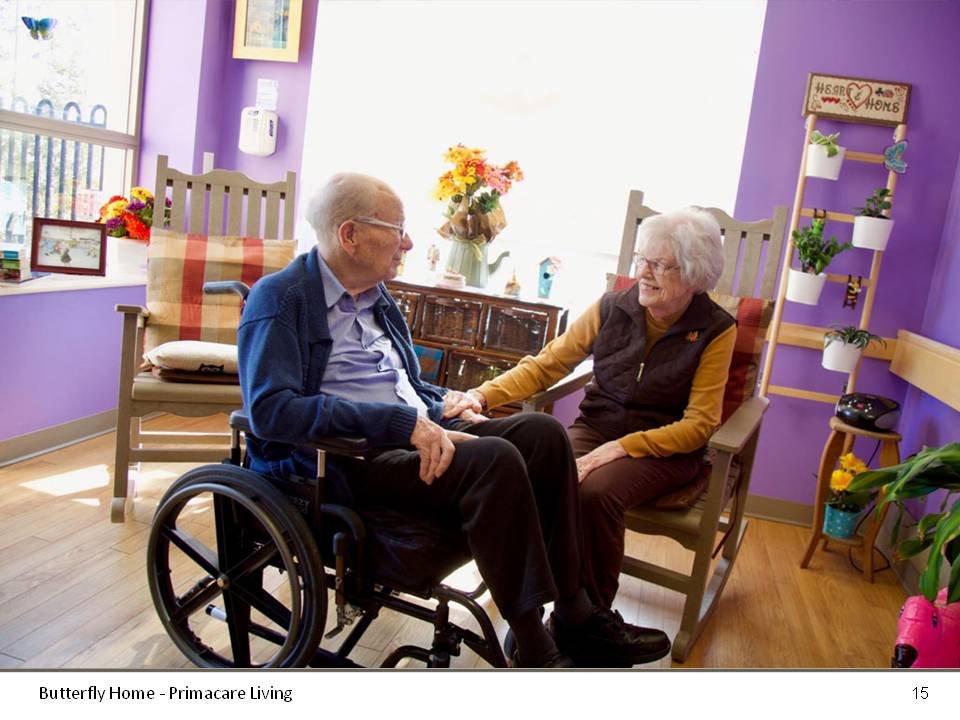
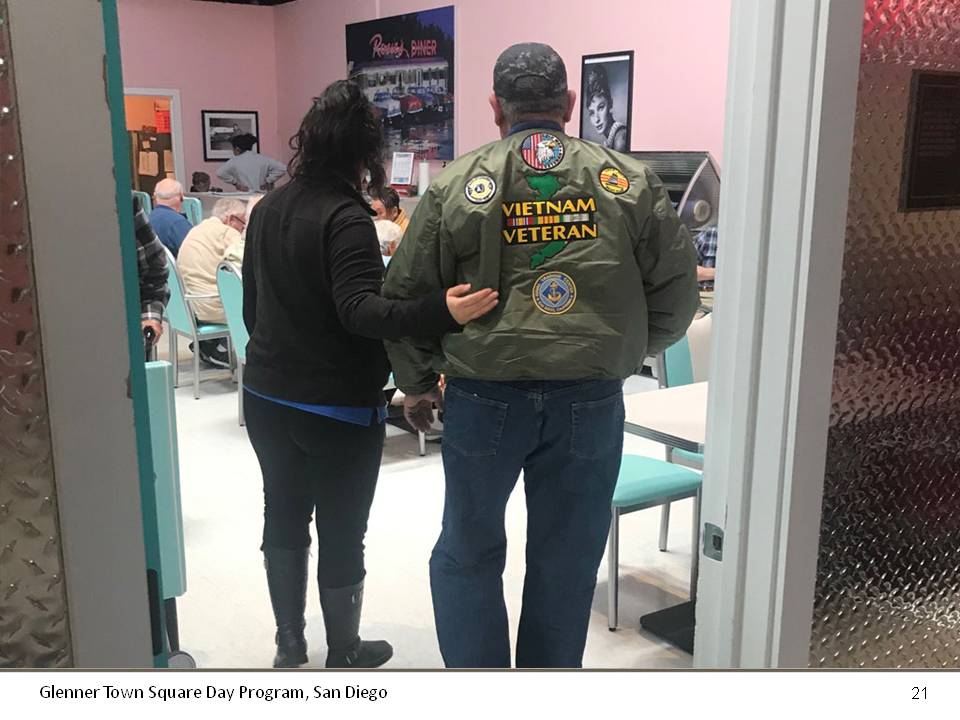
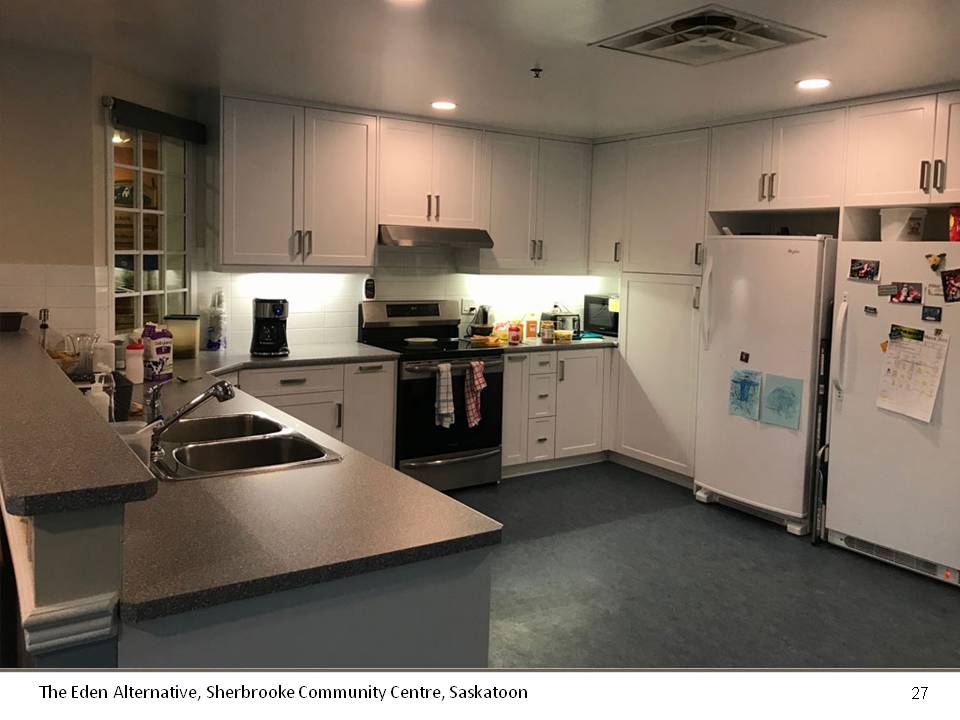
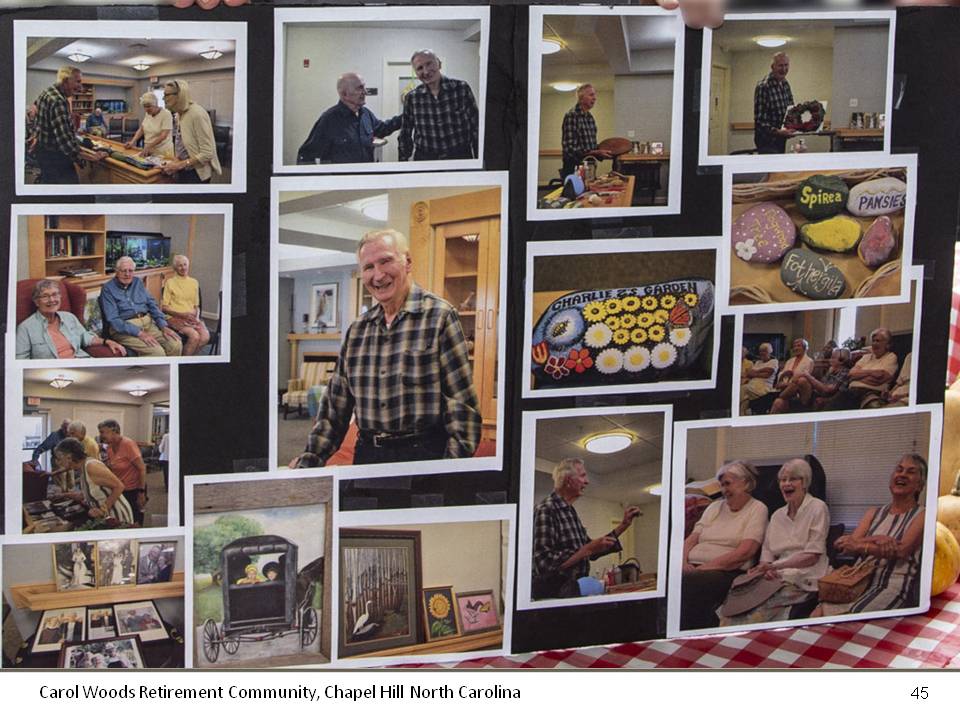
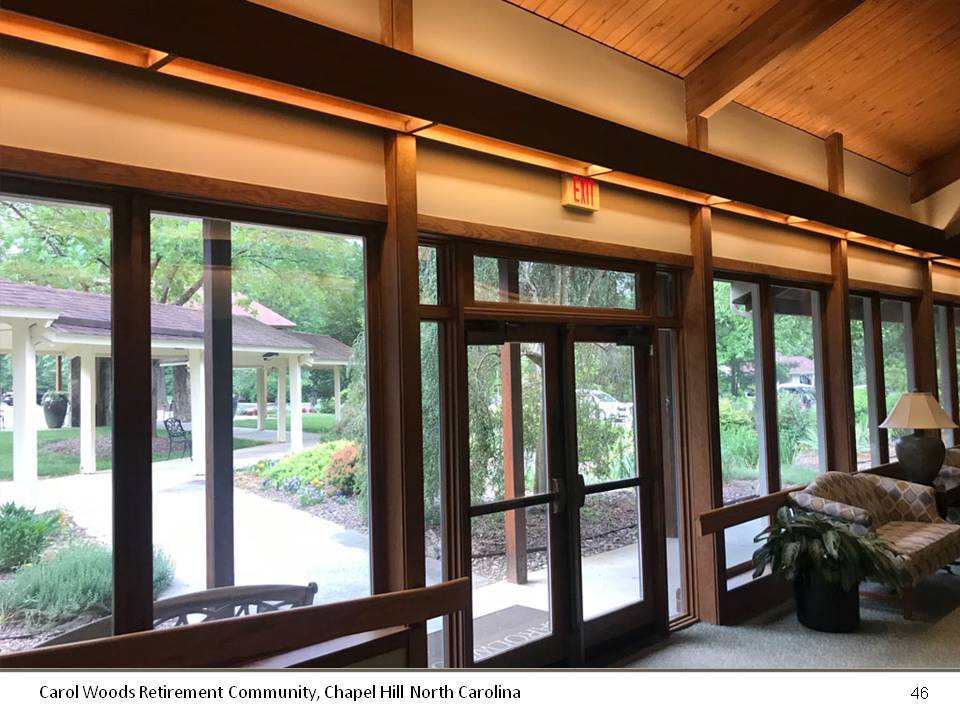
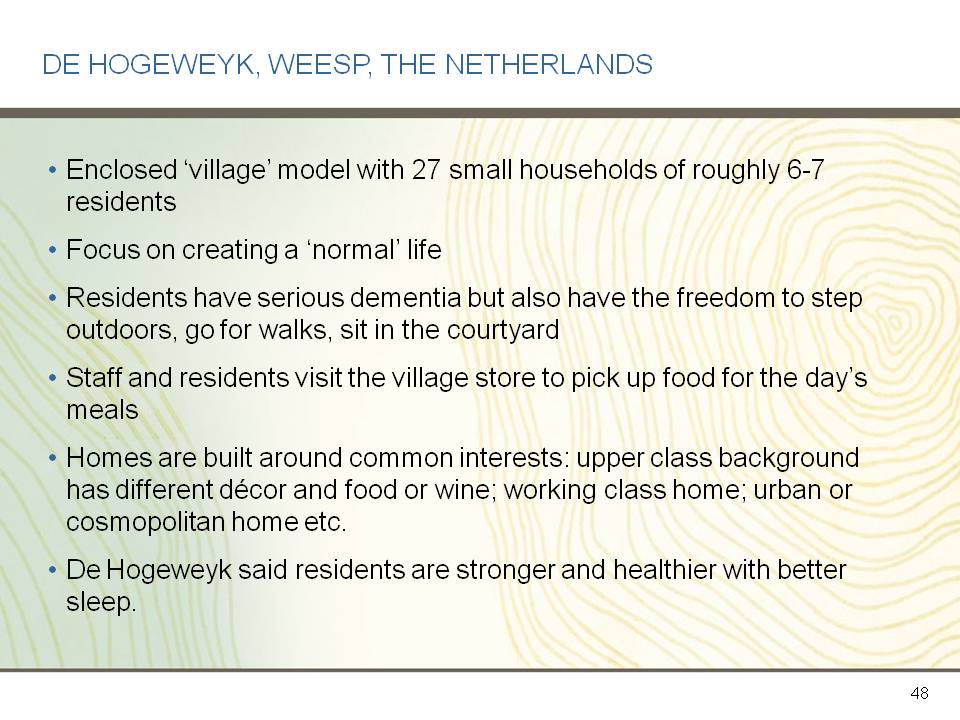
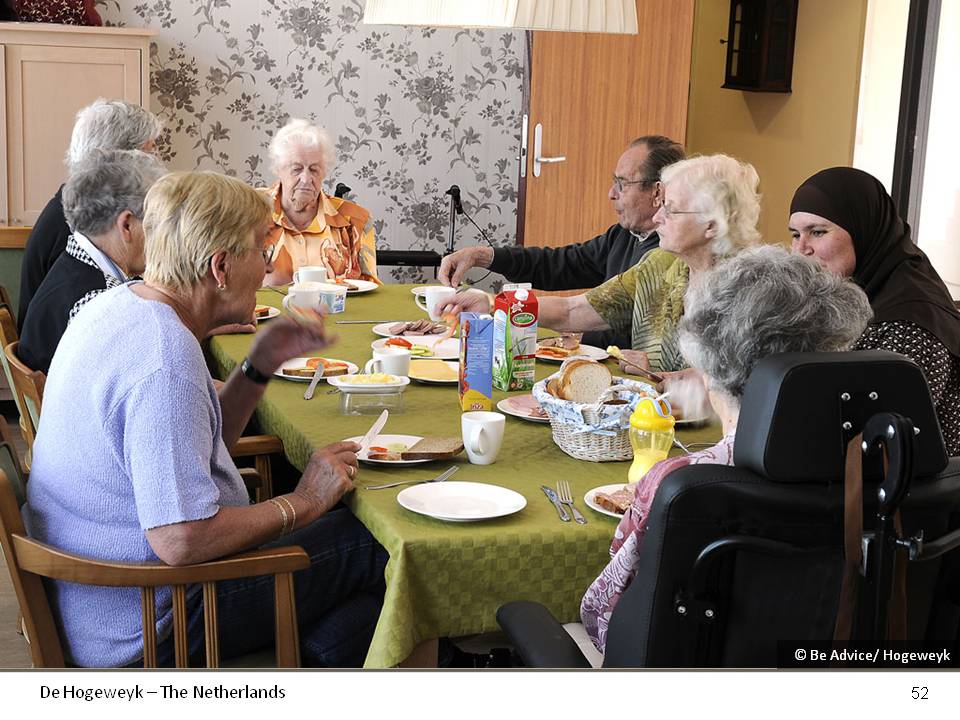
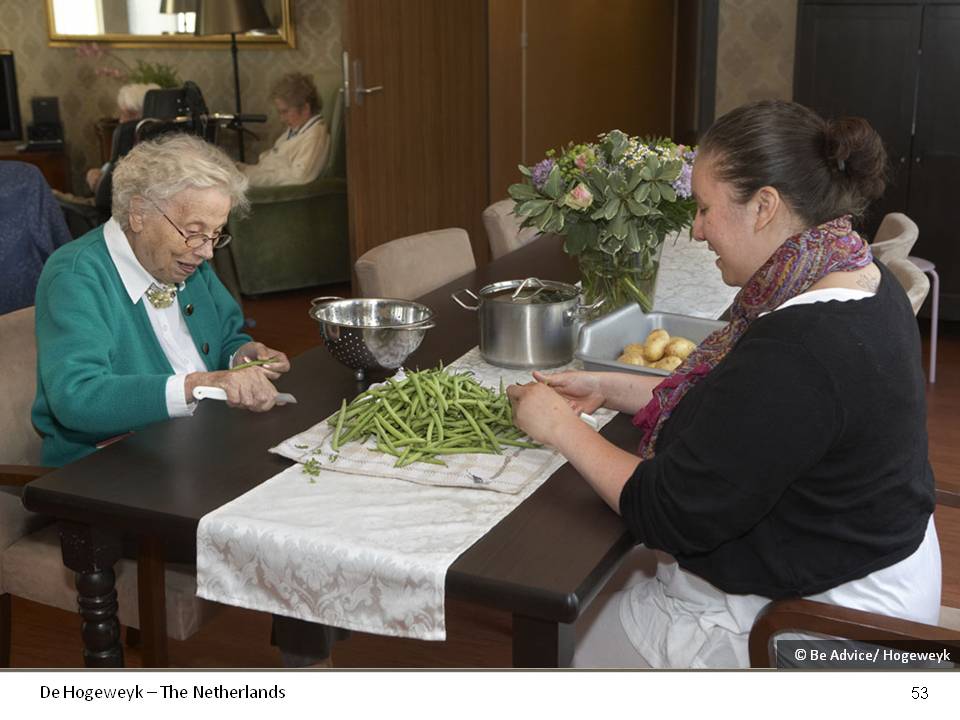
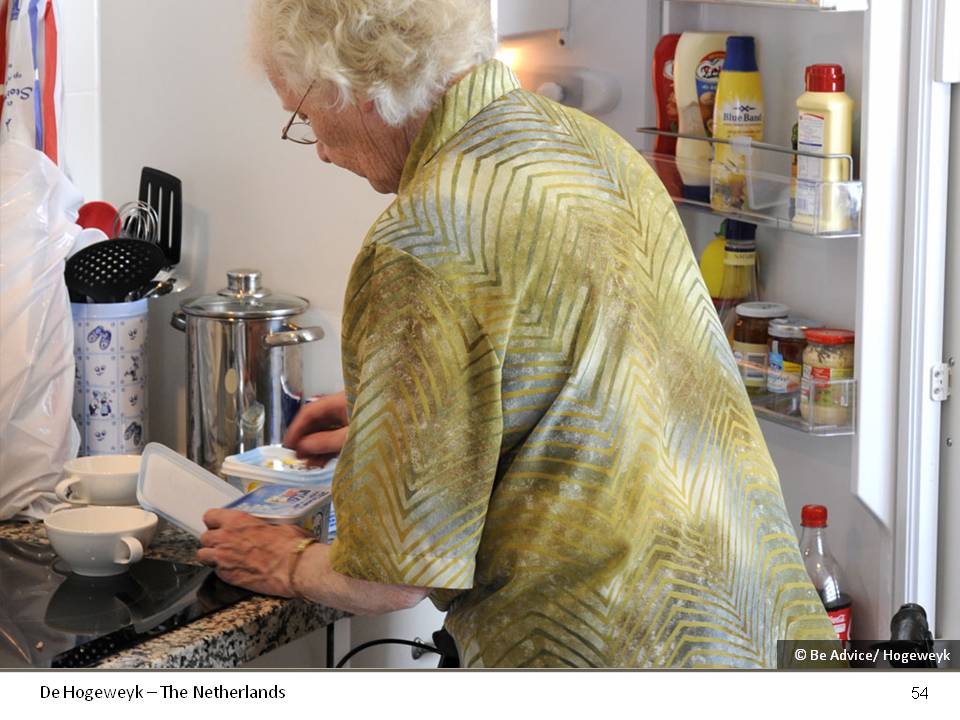
Some of the evolving ways to live in our later years are shown in her presentation below that she shared with us at the meeting:


























More About Moira Welsh
Moira is an investigative reporter with the Toronto Star. She has written extensively on seniors’ issues, with a focus on long-term care, along with issues related to social justice, health and the environment. Moira has co-authored investigations that have won three National Newspaper Awards and a Michener Award for Public Service Journalism. She was a finalist for the Justicia Award for Legal Reporting and the Canadian Hillman Prize for journalism in service of the common good.
Moira’s profile from the Toronto Star is available at:
 Probus Club of Kingsway-Islington